When to Schedule Lawn Fertilization Services In Winchester, VA
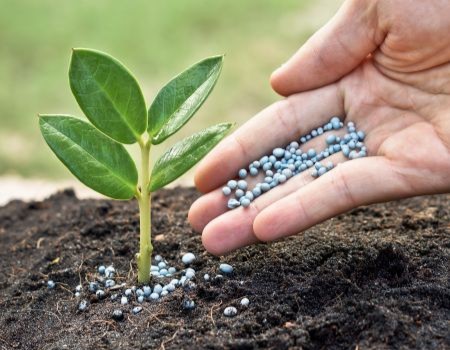
In Winchester, VA, timing your lawn care around real seasons makes a visible difference. Our area’s cool winters, quick springs, and hot, sometimes dry summers mean your grass needs nutrition at specific points to thrive. If you want steady color, fewer weeds, and stronger roots, plan your visits on a local calendar rather than a generic one. To lock in the right timing and materials for your yard, explore our lawn fertilization service and get a schedule designed for the Shenandoah Valley.
Best Lawn Fertilization Schedule for Winchester, VA
Most Winchester lawns feature cool-season turf like tall fescue. These grasses put on roots when the air is cool and the soil is workable, which is why fall and early spring feedings do the heavy lifting. Summer applications are lighter and carefully timed because heat stress is common from late June through August.
- Early Spring (late February to March): Wake-up nutrition to restart growth after winter and support recovery from salt and foot traffic.
- Mid Spring (April): Balanced feeding to build color and density before summer stress arrives.
- Early Summer (late May to June): Light, strategic nutrition focused on steady health, not speed.
- Late Summer Recovery (August): Gentle boost to help turf rebound as nights start to cool.
- Fall Build (September to November): The most important window for deep roots, thickness, and long-lasting color.
- Late Fall/Winterizer (late November to early December, weather permitting): Reserves that carry the lawn through winter into a stronger spring.
Every lawn is different. Shaded lawns, irrigated lawns, and high-traffic yards near schools or parks may shift dates slightly. Your technician will time services around soil temperatures, rainfall, and growth patterns so nutrition lands when the plant can use it best.
Why Timing Matters in the Shenandoah Valley Climate
Our valley experiences quick swings: chilly mornings in March, humid afternoons by June, and leaf drops that can smother turf in November. Nutrients placed too early can leach during spring rains, while heavy summer doses can push tender growth that wilts in heat. **Fall feedings grow roots, not just blades**, which is why September through November often delivers the biggest improvement in density and color for Winchester lawns.
Local soils can range from heavier clays to rocky loams. Clay holds moisture longer, so schedules often favor moderate spring nutrition and a strong fall program. In drier micro-areas and on slopes, technicians time lighter summer touch-ups to avoid stress.
Seasonal Lawn Goals and What Your Technician Focuses On
Each visit has a clear purpose. In early spring, the focus is recovery and controlled growth. Late spring aims at color and thickness before summer. Summer visits protect, not push, by supporting resilience. Fall builds roots and storage so your lawn survives winter and pops early next year.
If you like deeper reading on how this plays out month by month, check our local fertilization schedule for Winchester, VA. It outlines the reasoning behind timing so you know what to expect from one season to the next.
Neighborhood Considerations Across Winchester
Old Town lots with mature shade trees need a schedule that respects filtered light and slower growth. Newer subdivisions east of town may have sunnier, more open yards that can handle fuller spring feedings. Corner lots along busier roads often have compacted edges and splash from winter road treatments; technicians may adjust early spring nutrition there.
Sloped properties benefit from timing feedings when rain is not forecast, which helps keep nutrients in the root zone. Around play areas and pet runs, service plans often include a late summer recovery visit to restore density before fall.
How Often to Schedule Professional Visits
Most cool-season lawns here do best with a multi-visit program spread across the year. The exact number varies by lawn age, shade, irrigation, and traffic. Programs commonly include early and mid-spring, a light summer support, late summer recovery, and two fall build visits. That cadence keeps nutrition steady and focused where it matters most.
Some homeowners add soil testing to fine-tune the plan. Results help your technician choose the right balance and timing so you are not over or under-feeding. **Good scheduling beats more product every time** because grass can only use what the season and soil allow.
Complementary Services That Support Fertilization
Fertilization works best when mowing and landscape care are aligned. Consistent height and sharp blades help turf use nutrients efficiently. Pair your plan with pro lawn mowing to maintain the right cut through spring flush and summer slowdown. Thoughtful plant beds, mulch, and tree care also reduce competition and shade, which keeps the lawn stronger.
Common Signs Your Lawn Needs Fertilization
- Color fades from rich green to pale or yellow-green, especially after spring rains.
- Thin or bare areas that do not fill in during fall.
- More weeds taking advantage of weak, open turf.
- Slow recovery from foot traffic or pet spots.
- Streaky color that suggests the lawn is running out of even nutrition between visits.
Seeing one of these does not always mean you need an extra visit. It may be a sign to shift the timing slightly so nutrition lines up with growth and weather. Your technician will check soil conditions and recent patterns to decide the best move. **Shaded or high-traffic lawns may need a gentler schedule rather than a heavier one.**
What Winchester Weather Means for Summer Scheduling
By late June, heat and humidity can stress tall fescue across Frederick County. That is why summer feedings are lighter and spaced to avoid sudden growth during hot spells. If we enter a stretch of high heat, your technician may pause or move a visit to protect the turf.
Early fall is the sweet spot. Nights cool, roots dive deeper, and you can make gains that last. Think of fall as a savings account for your lawn. The more you bank then, the better your lawn handles winter and pops next spring.
A Quick Season-by-Season Snapshot
Here is a simple way to think about your year. It keeps the focus on what the plant needs most in Winchester, not just what the calendar says.
- Spring: Wake up and thicken.
- Summer: Protect and hold color.
- Fall: Build roots and density.
- Late Fall: Store energy for winter and next spring.
When your plan follows this rhythm, results stack. Color becomes more even, and the lawn bounces back faster after stress. **Avoid heavy summer surges during heat waves**, and your grass will thank you in September.
When You Are Short on Time, Let Pros Handle the Plan
If life is busy, you do not have to guess the right week or worry about the forecast. Schedule with a team that tracks local weather, soil temperatures, and turf response from Old Town to newer neighborhoods. You can even start by reading more on lawn fertilization in Winchester, VA and see how a tailored plan fits your yard and routine with The Lawn Ranger Mowing.
Ready to See Consistent Color and Thicker Turf?
The right timing delivers steady results without waste. If you want a schedule tuned to Winchester’s seasons and your yard’s unique conditions, book our lawn fertilization program. Call The Lawn Ranger Mowing at 304-490-6346 to get on the calendar and enjoy a healthier lawn this year.